


A driving while impaired charge can affect nearly every part of your life. You may be worried about losing your driver’s license, paying expensive fines, missing work, or facing time in jail. The legal process can feel confusing, especially when court dates and administrative deadlines begin approaching quickly. Working with an experienced DWI lawyer can help you understand the charges, protect your legal rights, and prepare a defense based on the specific facts of your case.
Scott K. Dillin represents individuals facing DWI charges in Asheville, NC. Every case is different, so obtaining legal guidance early can make it easier to identify possible defenses, avoid preventable mistakes, and make informed decisions about your future.
What Does a DWI Lawyer Do?
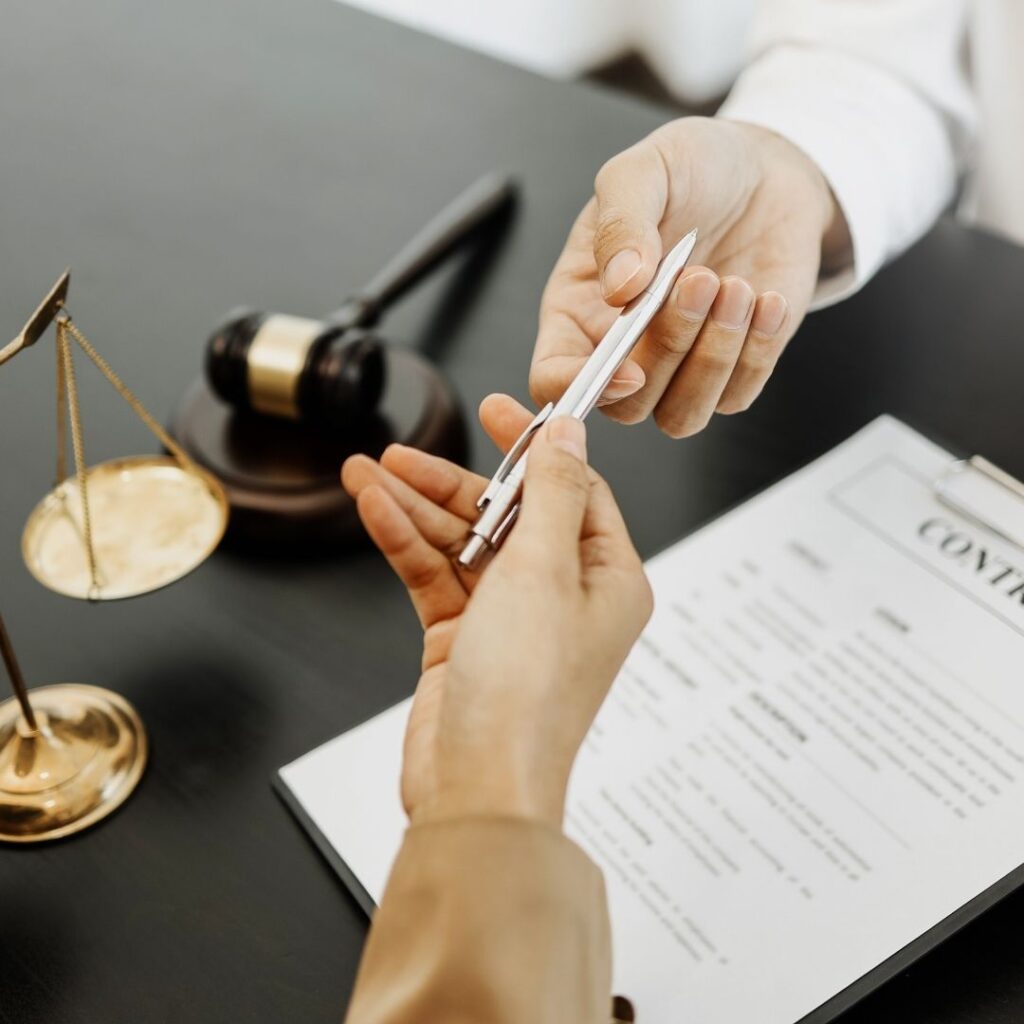
A DWI lawyer represents people accused of operating a vehicle while impaired by alcohol, prescription medication, illegal drugs, or another impairing substance. The attorney’s role involves much more than appearing beside a client in court.
A lawyer may examine:
- The reason law enforcement initiated the traffic stop
- The officer’s observations and written report
- Dashboard-camera and body-camera footage
- Field sobriety test procedures
- Breath or blood test results
- The maintenance and calibration of testing equipment
- Statements made during and after the arrest
- Whether constitutional and procedural rights were respected
- Any aggravating or mitigating factors connected to the case
Small details can become important in a DWI case. For example, an officer must have a lawful reason for stopping a vehicle. Chemical tests must also be administered and documented correctly. An attorney can investigate whether errors, inconsistencies, or legal issues affected the evidence.
A DWI lawyer can also explain the available options in clear language. Instead of making decisions based on fear or incomplete information, a person can better understand the potential outcomes and the steps involved in moving the case forward.
Why Hiring a DWI Lawyer in Asheville Matters
North Carolina’s impaired-driving laws are complex, and a conviction may carry serious consequences. Attempting to manage a case without understanding local court procedures can place a person at a disadvantage.
Hiring a DWI lawyer in Asheville provides access to someone familiar with North Carolina law and the local legal process. An attorney can help organize evidence, prepare required documents, communicate with the appropriate parties, and represent the client during court proceedings.
Legal representation is especially important because DWI cases often involve two related concerns:
- The criminal charge handled through the court system
- The person’s legal ability to drive
These issues may follow different procedures and timelines. A lawyer can explain how the charge could affect driving privileges and whether any options may be available for limited driving privileges, depending on the circumstances and legal eligibility.
Early representation also gives the attorney more time to investigate. Video recordings may need to be requested, witnesses may need to be contacted, and testing records may require careful review. Waiting too long can make it harder to preserve or obtain useful evidence.
What Happens After a DWI Arrest?
The events following an arrest can vary, but most cases involve several common stages. Understanding these stages can reduce uncertainty and help a defendant prepare.
The initial arrest and processing
After an officer makes a DWI arrest, the individual may be transported for chemical testing and processing. The officer may request a breath, blood, or other approved test depending on the circumstances.
The person will receive information about the charge and future court appearance. It is important to keep all paperwork because it may include deadlines, case numbers, hearing details, and instructions.
License-related consequences
An arrest may result in an immediate civil revocation of driving privileges under certain circumstances. This issue is separate from whether the defendant is ultimately convicted.
A lawyer can review the situation and explain what steps may be available. Eligibility for restored or limited driving privileges depends on the law and the facts of the case, so no outcome should be assumed.
The first court appearance
The initial court date is usually not a full trial. It may be used to address representation, scheduling, and other preliminary matters. Additional court dates may be necessary while the attorney gathers evidence and prepares the case.
Evidence review and negotiations
The defense attorney will review the prosecution’s evidence and investigate potential legal or factual problems. Depending on the case, the attorney may file motions, challenge evidence, negotiate with the prosecution, or prepare for trial.
Resolution or trial
Some cases are resolved before trial, while others require a hearing or trial before a judge. The appropriate strategy depends on the available evidence, the client’s goals, and the legal issues involved.
Possible Consequences of a DWI Conviction
A DWI conviction may lead to consequences that extend beyond the courtroom. The exact penalties depend on the details of the offense, the person’s record, and any aggravating or mitigating factors considered under North Carolina law.
Possible consequences can include:
- Court costs and fines
- Driver’s license suspension
- Probation
- Community service
- Substance-use assessment or treatment
- Required educational programs
- Installation of an ignition-interlock device
- Increased automobile insurance costs
- Jail time in more serious cases
A conviction may also create practical problems. Someone who drives for work could experience employment difficulties. Parents may struggle to manage school transportation, while people living outside central Asheville may find it challenging to reach work or appointments without a vehicle.
Professional licenses, security clearances, immigration matters, and future background checks may also be affected in some situations. Because the possible impact is personal as well as legal, a defense strategy should consider the client’s complete circumstances.
Potential Defenses in a DWI Case
An arrest does not automatically result in a conviction. The prosecution must prove the charge using legally admissible evidence. A defense attorney can examine whether that evidence is accurate, reliable, and lawfully obtained.
Potential issues may include:
Lack of reasonable suspicion for the stop
An officer generally needs a lawful basis to stop a vehicle. If the stop was not supported by reasonable suspicion or another valid justification, the defense may challenge evidence obtained afterward.
Problems with field sobriety testing
Field sobriety tests can be affected by uneven surfaces, weather, footwear, injuries, medical conditions, age, fatigue, anxiety, or unclear instructions. Video footage may show whether the tests were explained and performed under appropriate conditions.
Questions about chemical testing
Breath and blood testing must follow specific procedures. The defense may investigate equipment maintenance, operator qualifications, timing, sample handling, laboratory records, and other factors affecting reliability.
Medical explanations
Some physical symptoms that officers associate with impairment may have another explanation. Allergies, neurological conditions, diabetes, injuries, fatigue, or prescribed medication may affect speech, balance, appearance, or coordination.
Inconsistent testimony or documentation
Differences between an officer’s report, recorded footage, witness accounts, and courtroom testimony may raise questions about the accuracy of the prosecution’s version of events.
Not every defense applies to every case. A careful investigation is necessary before determining which arguments are supported by the evidence.
Common Mistakes to Avoid After a DWI Charge
What a person does after an arrest can influence the case. Avoiding a few common mistakes may help protect available legal options.
First, do not ignore paperwork or court dates. Missing a required appearance can create additional legal problems. Keep every document in one secure location and record all deadlines.
Second, avoid discussing the incident on social media. Posts, photographs, videos, location data, and comments may be misunderstood or used as evidence.
Third, do not assume that pleading guilty immediately is the easiest solution. A plea can carry lasting consequences. The evidence and possible defenses should be reviewed before a final decision is made.
Fourth, follow all conditions imposed by the court or releasing authority. Violating those conditions may complicate the case.
Finally, speak with a lawyer as soon as possible. Early legal guidance can help prevent avoidable errors and provide time for a thorough investigation.
Choosing the Right Attorney for Your Case
When selecting an attorney, look for someone who handles criminal and impaired-driving matters in North Carolina. The lawyer should be willing to listen carefully, explain the process, and discuss both the strengths and challenges of the case.
Useful questions to ask during a consultation include:
- What parts of the evidence will you review?
- Are there immediate deadlines I need to know about?
- How could this charge affect my driving privileges?
- What possible outcomes should I understand?
- How will you keep me updated?
- What should I do while the case is pending?
An attorney should never promise a particular result. However, the lawyer should provide honest guidance, prepare carefully, and develop a strategy based on the evidence rather than assumptions.
Local DWI Representation in Asheville, NC
DWI arrests in Asheville can occur on major roads, downtown streets, neighborhood routes, or highways throughout Buncombe County. Although the location of the stop may appear unimportant, road design, lighting, traffic patterns, weather, and nearby businesses can sometimes provide useful context.
Local legal representation also helps clients understand where proceedings take place and what to expect from the local court process. Scott K. Dillin provides defense representation for people facing DWI allegations in Asheville, NC. The goal is to review the evidence closely, protect each client’s rights, and help the client move through the legal process with greater confidence.
Contact a DWI Lawyer in Asheville, NC
A DWI charge can be frightening, but you do not have to face the process without guidance. Acting quickly allows your attorney to review the traffic stop, investigate testing procedures, preserve available evidence, and explain how the case may affect your license and future.
If you have been arrested for impaired driving, contact Scott K. Dillin to discuss your situation with a DWI lawyer serving Asheville, NC. Receiving advice early can help you understand your options, avoid common mistakes, and begin building an informed defense.